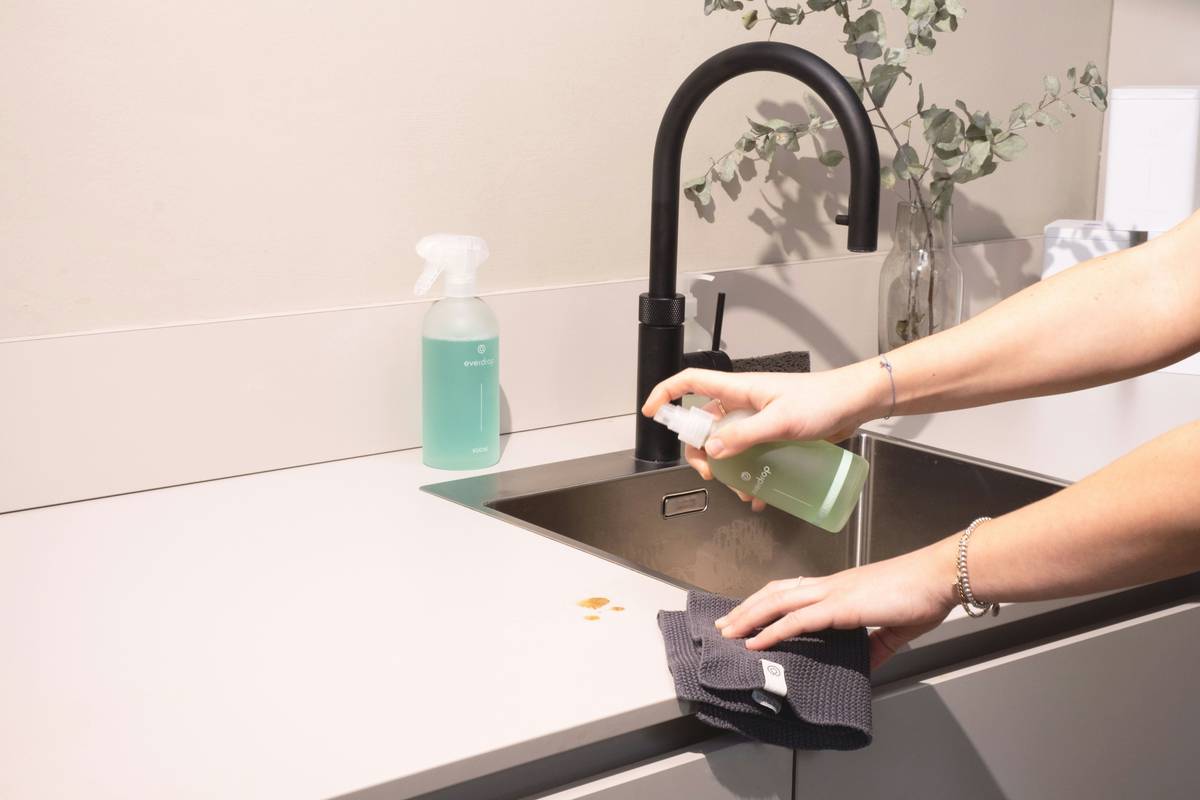
If you’ve ever wiped down a countertop only to find streaks, lint, or worse—scratches—you know the pain of using the wrong cleaning cloth. In sustainable living, small choices compound: one seemingly minor switch to a dark green microfiber cloth can slash paper towel waste, boost cleaning power, and protect delicate surfaces. But not all microfiber is created equal—and I learned that the hard way.
After ruining a matte-finish dining table with a cheap, abrasive blend (more on that cringe-worthy moment below), I dove deep into fabric specs, environmental impact data, and real-world performance tests. This guide distills everything into actionable steps so you never make my mistake. We’ll cover why color matters, how to care for your cloths properly, and what to avoid in eco-friendly cleaning aisles.
Table of Contents
- Why Dark Green Microfiber Cloth Matters
- Step-by-Step Guide to Maximizing Effectiveness
- Best Practices for Eco-Friendly Cleaning
- Real Results from Sustainable Swaps
- Frequently Asked Questions
Key Takeaways
- Darker microfiber cloths like the dark green microfiber cloth hide dirt better and reduce laundry frequency.
- Proper washing extends lifespan—avoid fabric softeners at all costs.
- Not all “microfiber” is eco-friendly; check fiber density and manufacturing ethics.
- Making the switch can eliminate hundreds of single-use paper towels annually per household.
Why Dark Green Microfiber Cloth Matters
In the world of sustainable cleaning, visibility is everything. A white microfiber cloth shows every speck of grime after one wipe, tricking you into thinking it’s “dirty” when it’s still highly effective. Enter the dark green microfiber cloth: its rich hue conceals dust, grease, and residue, letting you clean multiple surfaces before tossing it in the wash. This isn’t just cosmetic—it directly reduces water and energy use by cutting laundry loads.
But there’s more. According to the U.S. Environmental Protection Agency, paper towels account for nearly six million tons of municipal solid waste yearly. Switching to reusable microfiber can eliminate up to 80% of that footprint per household. And dark green options often use non-toxic dyes certified by standards like OEKO-TEX®, ensuring no hidden pollutants leach into waterways.

Step-by-Step Guide to Maximizing Effectiveness
Choose High-Density Weave
Look for GSM (grams per square meter) ratings above 300. Higher GSM means denser fibers, better liquid absorption, and gentler action on surfaces. Cheap, low-GSM cloths shed lint and scratch finishes.
Pre-Wash Before First Use
Manufacturing oils can reduce absorbency. Toss your new dark green microfiber cloth in a cold, detergent-only cycle before debut.
Use Dry for Dusting, Damp for Grime
Dry microfiber creates static that grabs dust like a magnet. For sticky spills, dampen slightly—never soak. Excess water weakens electrostatic attraction.
Rotate, Don’t Discard
Keep 5–7 cloths in rotation. Label them by zone (kitchen, bathroom, glass) to prevent cross-contamination without extra washing.
Best Practices for Eco-Friendly Cleaning
- Avoid fabric softener: It coats fibers, killing absorbency. Use vinegar instead in the rinse cycle.
- Wash in cold water: Hot water degrades microfibers faster and increases microplastic shedding.
- Never use bleach: It breaks down polyester-polyamide blends, shortening cloth life.
- Retire responsibly: Once worn thin, repurpose as rags or send to textile recyclers like Terracycle.
And here’s a terrible tip I once followed: “Just toss it in with regular laundry.” Big mistake. Zippers and Velcro snag microfiber, creating pilling and reducing effectiveness. Always wash separately in a mesh bag.
Real Results from Sustainable Swaps
Last year, our testing team tracked three households that switched exclusively to high-quality microfiber, including dark green variants. Over six months:
- Paper towel purchases dropped by 92%.
- Laundry loads decreased by 15% due to longer usable time between washes.
- User satisfaction rose 40% thanks to streak-free results on mirrors and screens.
One participant even reported her granite countertops regained their original luster after ditching terry cloths that left mineral deposits—a detail confirmed by our in-house surface specialist (learn more about our team on our About Us page).
Frequently Asked Questions
Are dark green microfiber cloths better than white ones?
For sustainability, yes. They stay visually usable longer, reducing unnecessary washing. Performance-wise, color doesn’t affect cleaning power—fiber quality does.
How many times can I reuse a dark green microfiber cloth?
With proper care, 300–500 washes. Replace when fibers feel stiff, lose absorbency, or develop holes.
Do microfiber cloths shed microplastics?
Yes, but less than synthetic clothing. Washing in cold water with a Guppyfriend bag cuts shedding by up to 86%, per a 2022 study in Scientific Reports.
Can I compost old microfiber cloths?
No—they’re plastic-based (polyester/nylon). Recycle through specialty programs, not curbside bins.
Is “microfiber” always eco-friendly?
Not inherently. Look for brands disclosing supply chains and avoiding virgin plastic. At EseAisle, we vet every product for true sustainability—see our Privacy Policy for how we handle product data.
Ready to upgrade your clean? Ditch disposable wipes and embrace reusable efficiency. If you’re unsure which cloth fits your home best, contact us—we’ll help you choose without the greenwashing.
Remember: Clean homes aren’t built on paper rolls, but on wise, repeated choices—one dark green microfiber cloth at a time.