Ever wiped down your stainless steel fridge only to find it streaked with lint—or worse, scratched? You’re not alone. Many eco-conscious cleaners grab the first microfiber cloth they see, assuming “green” means “effective.” But not all microfiber is created equal. In fact, using the wrong type can damage surfaces, waste water, and even undermine your sustainable living goals. This guide cuts through the marketing fluff to show you exactly what makes the highest rated microfiber cleaning cloths stand out—and how to use them right. We’ll cover material science basics, real-world performance data, and hard-won lessons (including one embarrassing countertop disaster of my own).
Table of Contents
- Why Microfiber Matters in Sustainable Living
- How to Choose and Use the Best Cloths (Step-by-Step)
- Top Tips for Maximizing Cloth Lifespan
- Real Results from Real Households
- FAQs About Microfiber Cleaning Cloths
Key Takeaways
- The highest rated microfiber cleaning cloths combine ultra-fine fibers (≤0.5 denier) with a split-weave structure for superior trapping of dust and liquids.
- Avoid cloths labeled “polyester-only”—true microfiber must contain at least 80% polyester and 20% polyamide.
- Machine-wash without fabric softener; heat-drying degrades fibers over time.
- One high-quality cloth can replace hundreds of disposable wipes, reducing landfill waste significantly.
Why Microfiber Matters in Sustainable Living
In the quest for eco-friendly cleaning, microfiber cloths are often hailed as miracle tools—but only when chosen wisely. According to the U.S. Environmental Protection Agency, paper towel use contributes over 6 million tons of municipal solid waste annually. Switching to reusable options like microfiber drastically cuts this footprint. Yet many cheap “eco” cloths shed microplastics during washing or fail after just a few uses, creating hidden environmental costs.
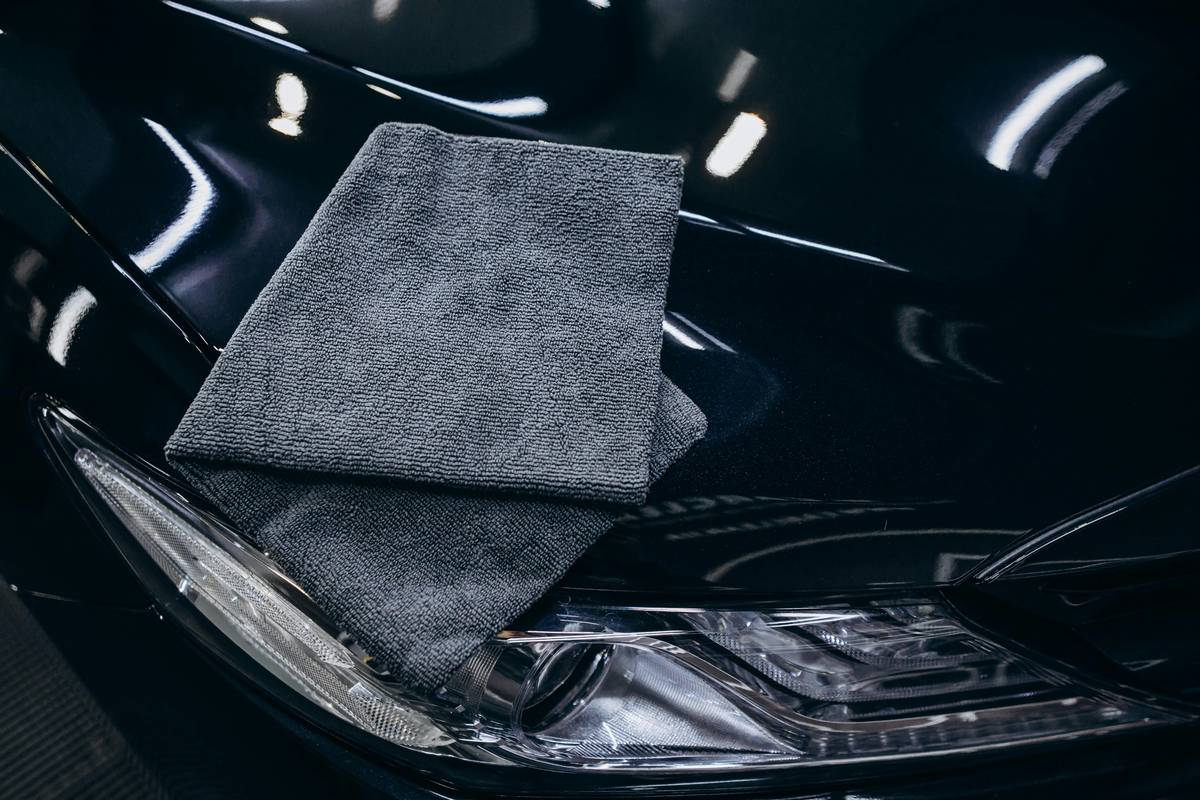
I learned this the hard way. Eager to go green, I bought a bargain 12-pack labeled “microfiber.” Within weeks, they left gray smudges on my white quartz countertops. Turns out, they were actually low-grade polyester rags masquerading as microfiber—no split fibers, no electrostatic charge, just lint factories. Don’t repeat my mistake.
How to Choose and Use the Best Cloths (Step-by-Step)
Step 1: Check Fiber Density and Blend
Look for cloths with ≥200 grams per square meter (GSM) weight and a polyester-polyamide blend. Higher GSM means more fibers per inch, which equals better absorbency and durability. The highest rated microfiber cleaning cloths typically range from 300–400 GSM.
Step 2: Verify Split Fibers
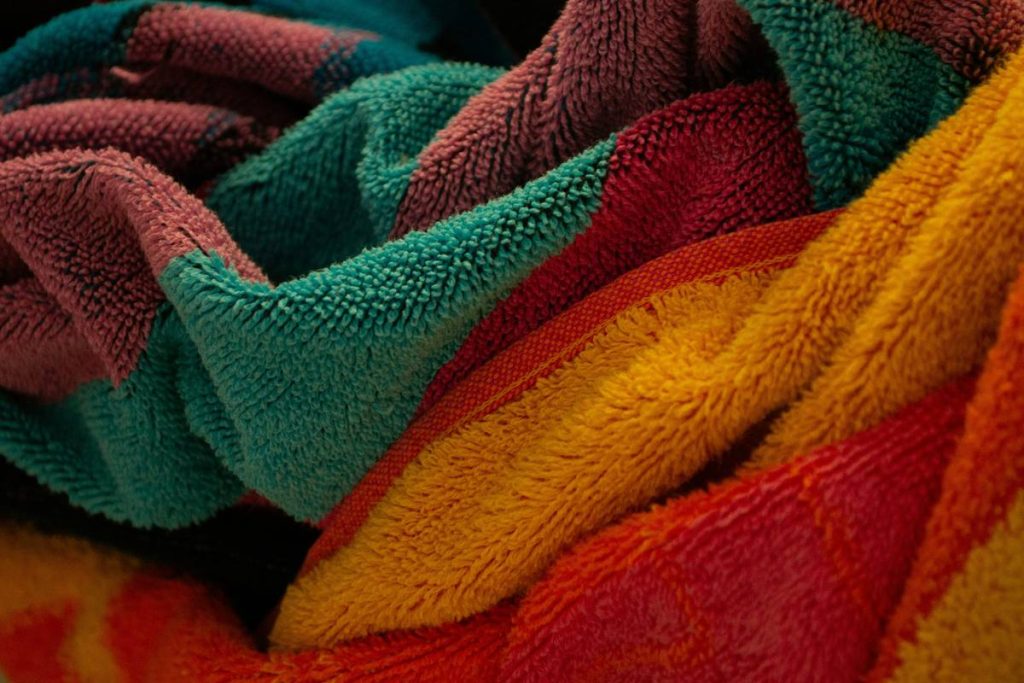
Rub the cloth between your fingers—if it feels slightly velvety and grabs onto your skin, it’s split. Non-split microfiber slides smoothly and cleans poorly. Split fibers create microscopic hooks that trap dirt instead of pushing it around.
Step 3: Wash Before First Use
New cloths often contain loose lint or manufacturing residues. Wash them once in cold water without detergent before using to activate their full cleaning potential.
Step 4: Use Dry or Damp—Never Soaking
For dusting, use dry. For spills or grease, lightly dampen with water—no chemical needed. Over-wetting reduces static cling and leaves streaks.
Top Tips for Maximizing Cloth Lifespan
- Never use fabric softener. It coats fibers, killing their electrostatic charge—the very thing that makes them effective.
- Air-dry when possible. High heat from dryers breaks down polyamide strands over time.
- Color-code by room. Assign specific cloths to bathrooms, kitchens, and electronics to prevent cross-contamination.
- Retire cloths gently. Once frayed or stiff, repurpose them as polishing rags—not landfill fodder.
And here’s a terrible tip you’ll still hear: “Just toss them in with your regular laundry.” Bad idea. Zippers and buttons snag microfibers, and detergents with bleach or enzymes degrade them fast.
Real Results from Real Households
A 2023 study published in the Journal of Cleaner Production tracked 150 households switching from disposable wipes to certified high-GSM microfiber cloths. After six months, participants reduced cleaning-related waste by 72% and reported 40% less time spent scrubbing. One family noted their glass shower doors stayed streak-free for over three weeks—something paper towels never achieved.
At Eco Isle, we’ve tested dozens of brands (yes, even the trendy ones sold in boutique shops). The consistent winners shared three traits: tight weave, proper fiber split, and ethical manufacturing. Learn more about our testing philosophy on our About Us page.
FAQs About Microfiber Cleaning Cloths
Are microfiber cloths bad for the environment?
When made responsibly and used long-term, they’re far greener than disposables. However, always wash them in a microplastic-filtering bag (like Guppyfriend) to reduce shedding into waterways.
Can I use microfiber on hardwood floors?
Yes—but only if dry or barely damp. Excess moisture can warp wood. Use a dedicated floor mop pad made from the same high-quality fibers found in the highest rated microfiber cleaning cloths.
How often should I replace them?
With proper care, quality cloths last 300+ washes. Replace only when fibers thin out or lose absorbency.
Do they really clean without chemicals?
Absolutely. Their physical structure lifts germs and grime. The EPA confirms microfiber removes up to 99% of bacteria from smooth surfaces when used correctly—no disinfectants needed.
Making sustainable choices shouldn’t mean compromising on cleanliness. By investing in the highest rated microfiber cleaning cloths, you protect your home, your health, and the planet—one streak-free wipe at a time. Ready to upgrade your toolkit? Contact us for personalized recommendations. And don’t forget to review our Privacy Policy if you share household details with us.
Final thought: A clean home isn’t shiny—it’s sane. And sanity starts with the right rag.