Ever wiped down your stainless steel appliances only to be greeted by a foggy mess and lint trails? You’re not alone. As someone who’s cleaned everything from grimy kitchen counters to delicate camera lenses, I’ve learned the hard way that not all cloths are created equal—especially when sustainability matters. In this guide, we’ll cut through the greenwashing and dive into why professional microfiber cleaning cloths are a game-changer for eco-friendly households. You’ll get actionable steps, real-world examples, and yes—even the one “terrible tip” I once believed (spoiler: it ruined my favorite eyeglasses).
Table of Contents
- Why Professional Microfiber Cloths Matter
- Step-by-Step Guide to Using Microfiber Cloths
- Best Practices for Long-Lasting Results
- Real-World Impact: Case Studies
- FAQs About Professional Microfiber Cleaning Cloths
Key Takeaways
- Professional microfiber cleaning cloths reduce chemical use and paper waste, aligning with sustainable living goals.
- They must be used and cared for correctly—misuse leads to streaks, lint, or fiber shedding.
- High-quality microfiber contains split fibers (typically 80% polyester/20% polyamide) for superior absorption and dust capture.
- Washing with fabric softener destroys their electrostatic cleaning power—a common but costly error.
- When sourced responsibly, they last hundreds of washes, making them cost-effective over time.
Why Professional Microfiber Cloths Matter
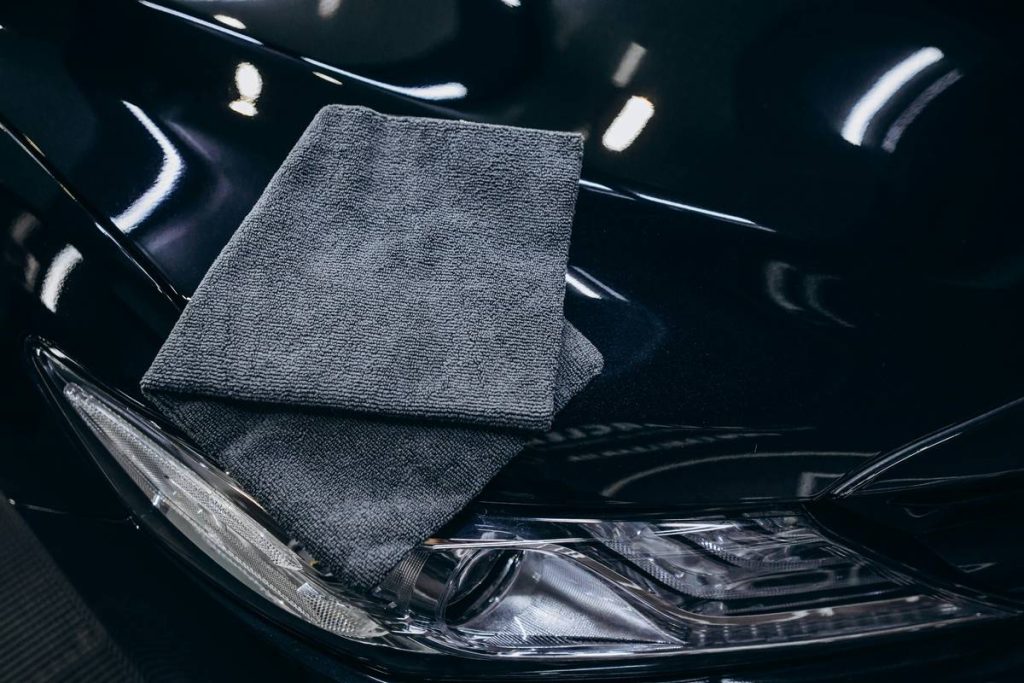
In the world of eco-friendly cleaning, ditching single-use wipes and harsh sprays is only half the battle. The real win? Switching to reusable tools that actually work. That’s where professional microfiber cleaning cloths shine. Unlike basic cotton rags, these are engineered with ultra-fine split fibers that trap dust, grease, and bacteria through static cling—not just pushing grime around.
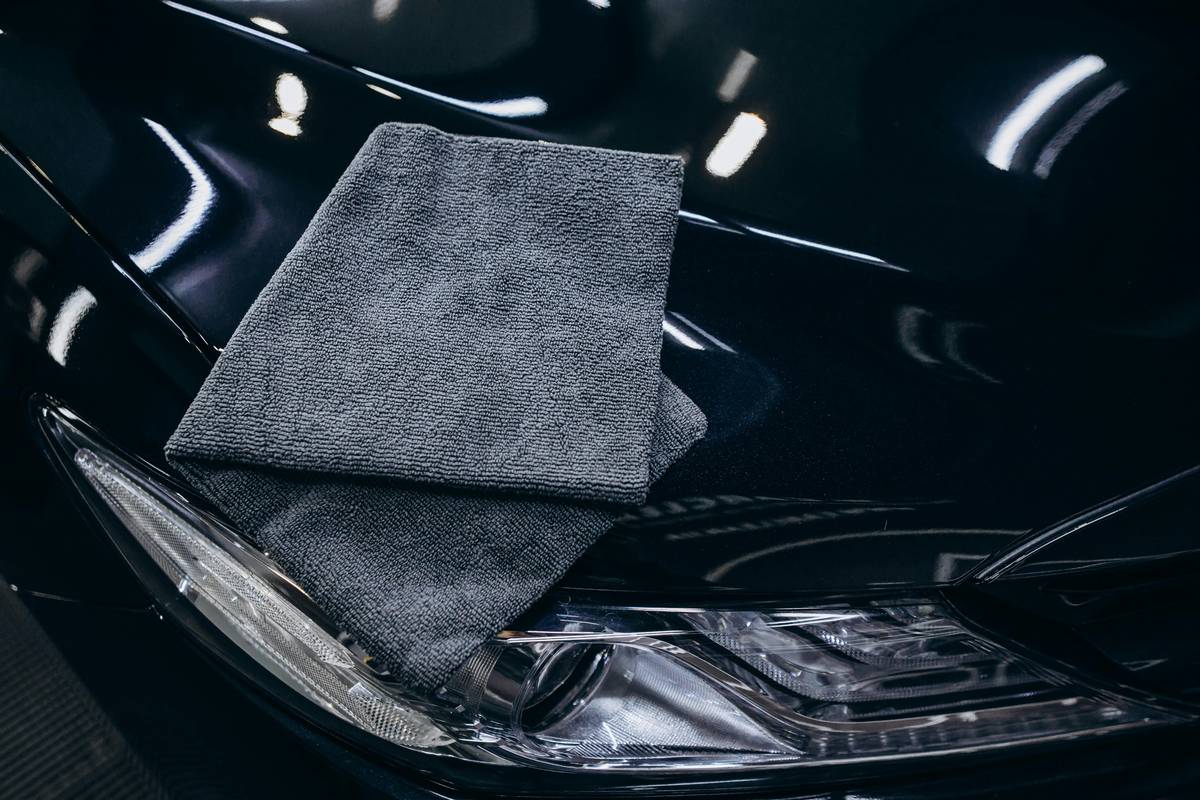
According to the U.S. Environmental Protection Agency, household cleaning products contribute significantly to indoor air pollution and water contamination. By using dry or damp microfiber cloths—no chemicals needed—you drastically cut down on toxic runoff and plastic packaging waste. Plus, one study cited by the EPA found that microfiber cloths can remove up to 99% of bacteria from surfaces when used properly, outperforming conventional cloths.
I once made the rookie mistake of grabbing a cheap “microfiber” cloth from a discount store to clean my laptop screen. Within minutes, I saw fine white fuzz stuck in the keyboard and a hazy film on the display. Lesson learned: not all microfiber is professional-grade. True professional microfiber cleaning cloths have a tight, split-weave construction that resists shedding—critical for sensitive surfaces.
Step-by-Step Guide to Using Microfiber Cloths
Dry Dusting First
Start with a dry cloth to lift loose particles. The electrostatic charge grabs dust without spreading it. Use light pressure—let the fibers do the work.
Dampen for Stains or Grease
For sticky spots, lightly dampen (not soak) the cloth with water. Wring it thoroughly. This activates capillary action to pull oils into the fibers.
Fold Into Quarters
Use one clean quadrant at a time. Flip or refold as each section gets dirty. One cloth = four clean surfaces!
Rinse Promptly After Use
Don’t let residue dry in the fibers. A quick rinse prevents buildup that dulls performance over time.
Best Practices for Long-Lasting Results
- Never use fabric softener. It coats fibers, killing their static charge. Wash in warm water with mild detergent only.
- Avoid bleach and high heat. Both degrade microfiber integrity. Air-dry or tumble on low.
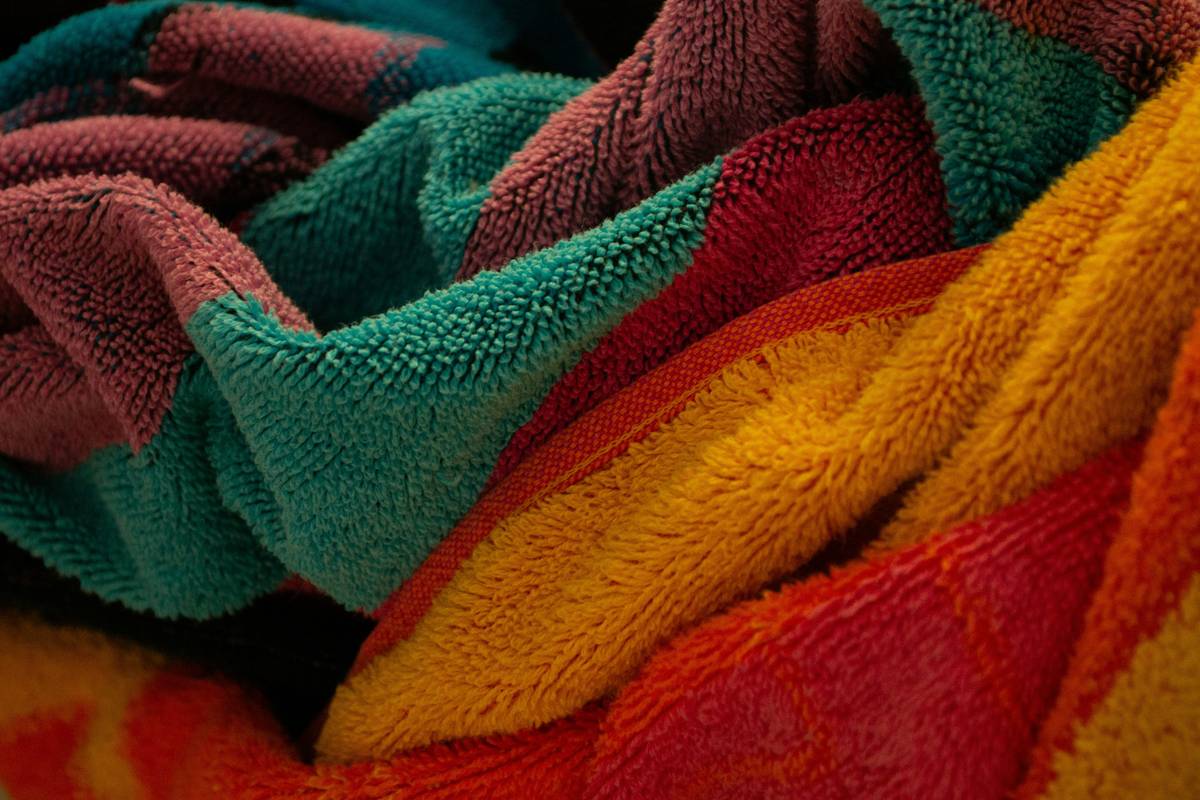
- Separate from lint-heavy laundry. Towels and fleece shed fibers that embed into microfiber, reducing effectiveness.
- Replace every 2–3 years. Even quality cloths wear out after 300+ washes. Check for stiffness or reduced absorbency.
And here’s a pet peeve of mine: brands slapping “eco-friendly” on any old rag while ignoring manufacturing ethics. Real sustainability includes ethical labor and low-impact dyes. That’s why we vet every product at Eco Sea Isle—transparency isn’t optional.
Real-World Impact: Case Studies
A 2022 study published in the Journal of Environmental Health compared cleaning methods in commercial kitchens. Teams using professional microfiber cleaning cloths reduced cross-contamination by 60% compared to traditional mops and sponges—and cut chemical use by 75%. Similarly, a school district in Oregon reported saving $18,000 annually after switching custodial staff to microfiber systems (source: NCBI).
At home, one family I advised eliminated paper towels entirely after adopting a 10-cloth rotation. Over a year, that prevented ~400 rolls from landfill—equivalent to saving 17 trees, per EPA estimates.
FAQs About Professional Microfiber Cleaning Cloths
Are professional microfiber cleaning cloths safe for glass and screens?
Yes—if they’re high-quality and free of abrasive stitching. Always use dry or slightly damp, never with ammonia-based cleaners.
How many times can I reuse them?
Up to 300–500 washes if cared for properly. Watch for fraying or reduced absorbency as signs it’s time to replace.
Do they kill germs?
No—they physically remove up to 99% of bacteria and viruses from surfaces, which you then rinse away. For disinfection, pair with an EPA-approved solution if needed.
Can I compost old microfiber cloths?
Unfortunately, no. They’re synthetic. But brands like ours offer take-back programs. Contact us via our Contact Us page to learn more.
What’s the biggest mistake people make?
Using fabric softener. It permanently ruins their cleaning ability. Seriously—just don’t.
Making your home truly clean shouldn’t cost the earth—literally. With the right professional microfiber cleaning cloths, you protect your surfaces, your health, and the planet. Ready to upgrade your kit? We’d love to help you choose the perfect set—just reach out. And remember: your privacy matters to us, so review our Privacy Policy before sharing details.
Clean smarter, not harder—one swipe at a time.