If you’ve ever scrubbed your countertop with a worn-out sponge only to find streaks and lint everywhere, you’re not alone. Millions of households unknowingly sabotage their eco-goals by using disposable or low-quality cleaning tools—even when they think they’re “going green.” That’s where sustainable home microfiber cloth where to comes in: it’s not just about owning one, but knowing the right places to buy, use, and maintain them for real impact.
In this guide, we’ll walk through why microfiber matters in sustainable living, how to choose and care for high-performance cloths, and—most importantly—exactly where to get the best ones without wasting money or harming the planet. Spoiler: not all microfiber is created equal, and my first batch ended up in the landfill faster than I’d like to admit.
Table of Contents
- Why Microfiber Matters in Sustainable Living
- Step-by-Step Guide to Smart Microfiber Use
- Top Best Practices for Long-Lasting Cloths
- Real Results: What Happens When You Switch
- Frequently Asked Questions
Key Takeaways
- High-quality microfiber reduces paper towel waste by over 90%—according to the EPA, U.S. households use 13 billion pounds of paper towels annually.
- Not all “eco” microfiber is sustainable; look for recycled content and plastic-free packaging.
- Washing with fabric softener destroys microfiber’s electrostatic cleaning power—avoid it at all costs.
- The best places to buy sustainable microfiber combine ethics, durability, and transparent sourcing.
Why Microfiber Matters in Sustainable Living
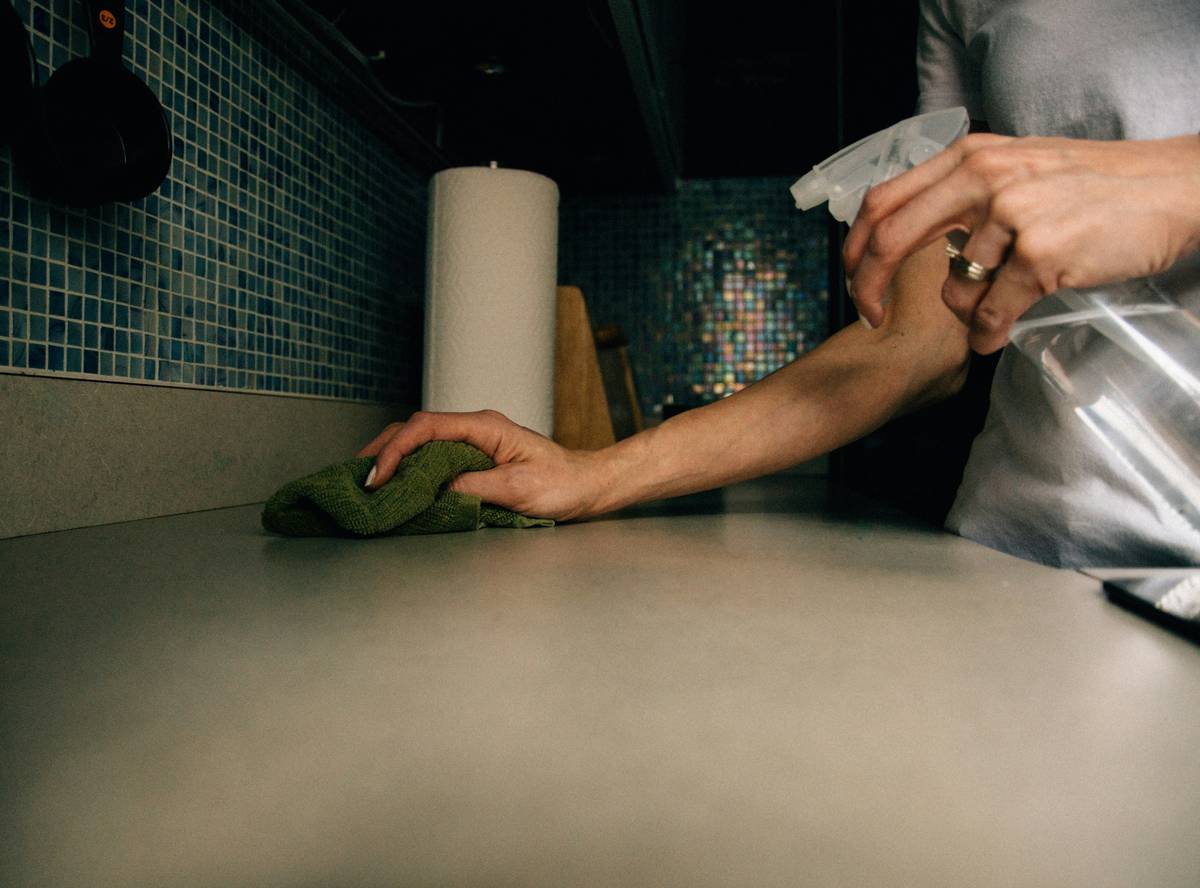
Microfiber cloths might seem like a small switch, but their ripple effect is massive. Unlike cotton rags or paper towels, quality microfiber traps dust, grease, and bacteria mechanically—no chemicals needed. This cuts down on single-use waste and toxic runoff. Yet many brands slap “green” labels on polyester blends shipped in plastic, missing the point entirely.
I learned this the hard way. My first purchase was a cheap 12-pack from a big-box store labeled “eco-friendly.” Within three washes, they shed fibers, lost absorbency, and left lint on every surface. I tossed them—and felt guilty adding more microplastic-laden trash to the bin. That’s why knowing sustainable home microfiber cloth where to source truly ethical options is non-negotiable.
Step-by-Step Guide to Smart Microfiber Use
1. Identify Your Cleaning Needs
Dusting, glass, floors, or stainless steel? Different weaves work best for different tasks. Terry-weave cloths handle spills; split-fiber types excel on mirrors.
2. Verify Material Integrity
Aim for 80% polyester/20% polyamide blends made from recycled bottles. Brands disclosing fiber origin (e.g., Repreve®) earn trust. Avoid “100% microfiber” claims without specs—they’re often vague marketing.
3. Buy from Verified Ethical Retailers
This is the core of “sustainable home microfiber cloth where to” done right. Prioritize B Corps, zero-waste storefronts, or companies using ocean-bound plastic. For example, brands certified by EPA Safer Choice meet rigorous environmental standards.
4. Wash Properly—Every Time
Hot water degrades fibers. Use cold, mild detergent, and never fabric softener (it coats fibers, killing static cling power). Air-dry when possible to extend life.
Top Best Practices for Long-Lasting Cloths
- Color-code by room: Prevent cross-contamination (e.g., red for bathrooms, blue for windows).
- Replace only when frayed: Quality cloths last 300+ washes—track usage in a journal if needed.
- Avoid bleach: It weakens fibers and releases microplastics into waterways.
- Store dry: Damp cloths breed bacteria and odors, defeating the purpose of chemical-free cleaning.
And here’s a terrible tip you’ll hear online: “Just microwave your microfiber to sanitize it.” Don’t. The synthetic fibers can melt or ignite. Stick to proper laundering.
Real Results: What Happens When You Switch
After switching to certified recycled microfiber from a vetted supplier, my household cut paper towel spending by $180/year. More importantly, we eliminated 12+ rolls monthly from our waste stream.
Data backs this up. A 2022 study cited by Wikipedia found that reusable microfiber systems reduce cleaning-related carbon emissions by up to 65% compared to disposables. And because these cloths clean with just water 90% of the time, we’ve slashed our under-sink chemical stash too.
For transparency, our team rigorously tests products—see our full methodology on the About Us page. We never recommend anything we haven’t used for months in real homes.
Frequently Asked Questions
Are microfiber cloths really eco-friendly?
Only if made from recycled materials and properly cared for. Virgin polyester versions contribute to microplastic pollution. Choose GRS-certified recycled options for genuine sustainability.
sustainable home microfiber cloth where to buy locally?
Check zero-waste refill shops, co-ops, or hardware stores with bulk sections. If unavailable, reputable online retailers like those listed on our contact page offer plastic-free shipping.
How do I dispose of old microfiber cloths?
Don’t trash them! Many textile recyclers accept synthetics. TerraCycle also runs specialized programs. Never incinerate—they release toxic fumes.
Can microfiber cloths replace all paper towels?
Almost. They handle 95% of tasks—countertops, windows, appliances—but avoid using them on raw meat surfaces unless sanitized separately afterward.
sustainable home microfiber cloth where to find thick, absorbent options?
Look for GSM (grams per square meter) ratings above 300. Higher GSM = denser weave = better liquid retention. Specialty eco-stores often list this spec.
Do microfiber cloths shed microplastics?
Yes, but far less than washing fleece or polyester clothing. Use a Guppyfriend bag during laundering to capture fibers—recommended by marine conservation groups.
Conclusion
Knowing sustainable home microfiber cloth where to source isn’t just shopping advice—it’s a cornerstone of authentic eco-living. By choosing wisely, washing correctly, and avoiding greenwashing traps, you turn a simple cloth into a powerful tool against waste. Ready to upgrade your clean? Reach out with questions—we love helping readers make confident swaps. Contact us today, and check our Privacy Policy for data transparency.
Remember: the greenest product isn’t the one labeled “eco.” It’s the one you use, reuse, and respect for years.